
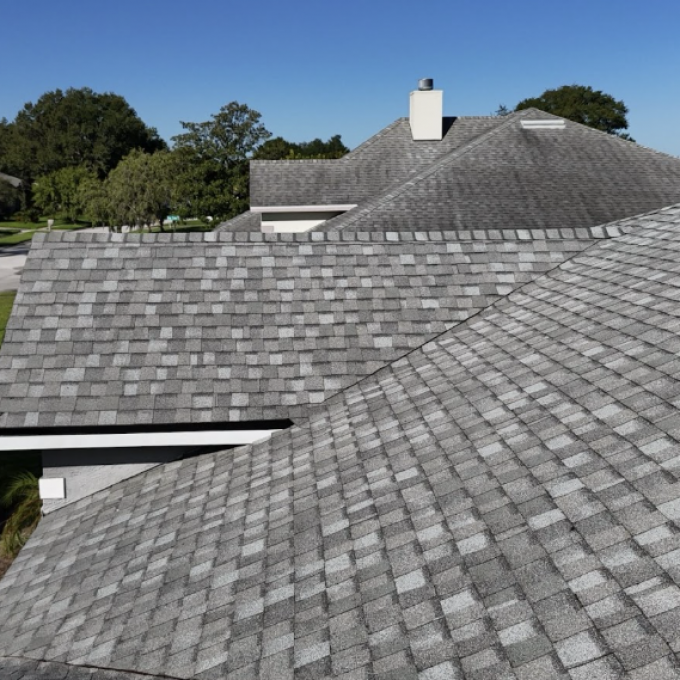
A Florida homeowner’s guide to roof insurance inspections, age requirements, and keeping your coverage intact.
Most Florida homeowners think about their roof twice a year: when hurricane season starts, and when something goes wrong. But there’s a third moment your roof matters more than you might expect, and that is when your insurance company comes calling.
Across Florida, insurers are increasingly scrutinizing roof age, condition, and maintenance history before issuing or renewing homeowner policies. In some cases, a roof that does not meet insurer standards can result in higher premiums, coverage limitations, or outright non-renewal. Understanding how your roof affects your Florida homeowner insurance coverage, and what you can do about it, could save you thousands.
1. Roof Age Is One of the First Things Insurers Check
In Florida, roof age is one of the most significant factors insurers use when evaluating a homeowner’s policy. The combination of intense UV exposure, high humidity, heavy seasonal rainfall, and hurricane-force winds causes roofing materials to degrade faster here than in almost any other state. As a result, many insurers apply strict age thresholds.
- – Asphalt shingles: Policies often become difficult or more expensive to renew once a shingle roof reaches 15 to 20 years. Some carriers will not issue new policies on shingle roofs older than 10 years without a roof insurance inspection.
- – Metal roofing: Generally receives favorable insurance treatment due to its durability and wind resistance. A well-maintained metal roof can support full coverage well past 40 years.
- – Tile roofing: Widely used in Florida and generally well-regarded by insurers, but the underlayment beneath tile degrades faster than the tile itself. Insurers may require underlayment documentation.
- – Flat / modified bitumen roofing: Typically carries a 10 to 20 year lifespan and is closely scrutinized. Policies may be limited or conditioned on recent replacement.
If you’re unsure how old your roof is, check your original home inspection report or closing documents. If those aren’t available, a licensed roofing professional can estimate the age and current condition during a professional roof assessment.
2. What Happens During a Roof Insurance Inspection
A roof insurance inspection is not the same as a standard contractor estimate. When an insurer sends an inspector, or requires you to provide a licensed contractor’s report, they are looking for specific conditions that affect risk: remaining useful life, visible damage, evidence of prior repairs, and compliance with Florida Building Code standards.
What inspectors typically evaluate:
- – Shingle or material condition. Missing, cracked, curling, or granule-depleted shingles are red flags. Inspectors note the percentage of the roof surface showing wear.
- – Flashing integrity. Corroded, cracked, or lifted flashing around chimneys, skylights, vents, and valleys signals potential water intrusion risk.
- – Deck and structural condition. Sagging, soft spots, or visible deterioration in the decking beneath shingles can trigger immediate action requirements.
- – Evidence of prior water damage. Staining, mold, or moisture damage in attic spaces points to existing or past leak events.
- – Compliance with local wind mitigation standards. Florida’s wind mitigation credits can reduce premiums significantly. Inspectors may also check for secondary water barriers, enhanced roof deck attachments, and impact-rated coverings.
Preparing for an insurer-requested inspection with a pre-inspection report from a licensed roofer is one of the smartest steps a Florida homeowner can take. It gives you an independent baseline, flags issues you can address in advance, and demonstrates that your roof has been actively maintained.
Facing an insurance inspection or renewal? A professional roof assessment from Noland’s Roofing gives you documented, licensed documentation of your roof’s condition before the insurer arrives.
3. Why Roof Maintenance Records Matter to Your Insurer
A roof with a documented maintenance history is a lower-risk roof in the eyes of an insurer. When a claim is filed after a storm, insurers investigate whether the damage was caused by the weather event or by pre-existing, unaddressed conditions. If records show a roof that was never inspected, never repaired, and never maintained, an insurer may argue that much of the damage existed before the storm and deny or reduce the claim accordingly.
What constitutes a useful maintenance record:
- – Licensed contractor inspection reports. Dated, written reports from a Florida-licensed roofing contractor documenting condition, any deficiencies found, and work performed.
- – Repair receipts and work orders. Documentation of specific repairs made, including shingle replacements, flashing re-sealing, and sealant application, with dates and contractor license numbers.
- – Photographs with timestamps. Before-and-after photos of any repairs, as well as annual condition photos of the full roof surface and attic space.
- – Permit records. Any permitted roofing work will have a record with your county building department. This is particularly relevant for full replacements or major repairs.
If your roof has been maintained but records are incomplete, it’s not too late. A current professional inspection with a written report establishes a documented baseline going forward, and that documentation can make a meaningful difference when you file a claim.
Start building your maintenance record today. Noland’s Roofing provides written assessment reports you can keep on file for insurance purposes.
4. When Insurers Require Roof Replacement
In recent years, Florida homeowners have increasingly received notices from their insurers requiring roof replacement as a condition of continued coverage. This trend has accelerated as insurers tighten underwriting standards in response to Florida’s challenging storm loss environment. Knowing when replacement may be required, and why, can help you plan and budget ahead of a forced deadline.
Common triggers for insurer-required replacement:
- – Roof age exceeds carrier thresholds. Many insurers in Florida will not renew a policy on an asphalt shingle roof older than 15 to 20 years without a satisfactory inspection showing significant remaining life.
- – Inspection reveals widespread material failure. If a roof inspection documents that 25% or more of the surface is in poor condition, many carriers will require replacement rather than spot repairs.
- – Evidence of deferred maintenance. A roof showing signs of long-term neglect, including sustained granule loss, pervasive curling, and multiple failing seals, may be deemed uninsurable in its current state.
- – Post-storm total loss. After a major hurricane, if the adjuster determines the cost to repair exceeds a threshold percentage of replacement value (often 50%), replacement is required to restore full coverage.
If you’ve received a notice from your insurer requesting repairs or replacement, act quickly. Most notices come with a compliance deadline of 30 to 90 days. Missing that window can result in non-renewal or cancellation. A licensed roofing contractor can assess your roof, provide the documentation the insurer needs, and help you understand your options.
Received an insurer notice about your roof? Contact Noland’s Roofing for a prompt professional roof assessment and written report.
5. Proactive Maintenance Protects Your Coverage and Your Claim
The single most effective thing a Florida homeowner can do to protect their roof insurance coverage is to treat the roof as a system that requires active, documented upkeep rather than reactive attention when something fails. Proactive maintenance accomplishes three things at once: it extends roof life, reduces the risk of storm damage, and builds the paper trail that supports insurance claims.
- – Schedule annual or biannual inspections. Particularly before and after hurricane season. Document every visit with a written report from a licensed contractor.
- – Address minor issues before they compound. A re-sealed flashing joint today is far less expensive than a decking replacement after two seasons of moisture intrusion.
- – Keep your insurer informed of upgrades. Roof replacements, wind mitigation improvements, and upgraded fastening systems may qualify you for premium credits. Notify your agent when improvements are made.
- – Review your policy annually. Florida’s insurance market changes frequently. Understanding your current coverage terms, including any roof-specific exclusions or conditions, keeps you from discovering gaps at the worst possible time.
Florida insurers want to see that a roof has been cared for. A well-documented maintenance history signals lower risk, and lower risk often translates directly to better coverage terms.
What Your Insurer Wants to See
- – A roof within its expected service life for your material type and Florida’s climate
- – No widespread visible damage: no missing shingles, no failed flashing, no sagging sections
- – Documentation of regular inspections and any repairs made by licensed contractors
- – Compliance with Florida Building Code wind mitigation standards where applicable
- – Prompt response to any inspection notices or coverage conditions issued by your carrier
Schedule a Professional Roof Assessment
Contact Noland’s Roofing to schedule your professional roof assessment. Our licensed Central Florida team will inspect every component of your roof, provide a written condition report suitable for insurance purposes, and give you a clear picture of where your roof stands, with no obligation and no pressure.
Call or visit: nolandsroofing.com